
Vetch, common
Common vetch, Vicia sativa. A member of the pea family, Common vetch is able to make its own nitrates, a special nutrient essential for healthy plant growth.
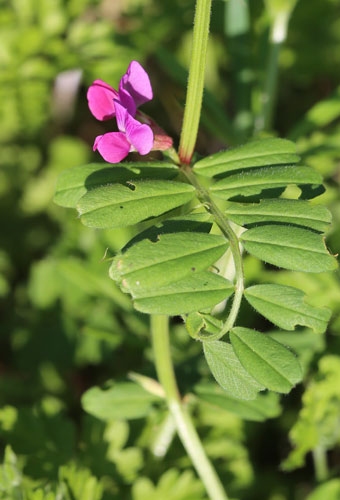
Common vetch, Vicia sativa. A member of the pea family, Common vetch is able to make its own nitrates, a special nutrient essential for healthy plant growth.
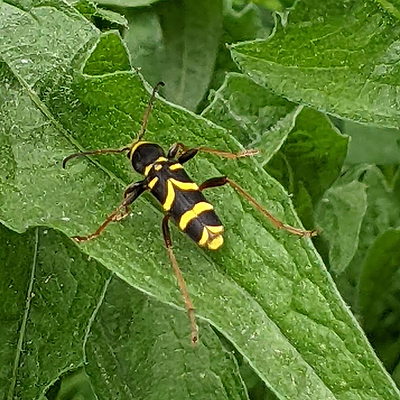
Wasp beetle, Clytus arietis, The wasp beetle, is a wasp-mimicking longhorn beetle. It is harmless but is protected by its wasp-like colours and movements. The larvae live in dead wood. It also emanates a wasp buzz-like noise when threatened. They are not to be confused with another wasp-mimicking longhorn beetle, Rutpela maculata.
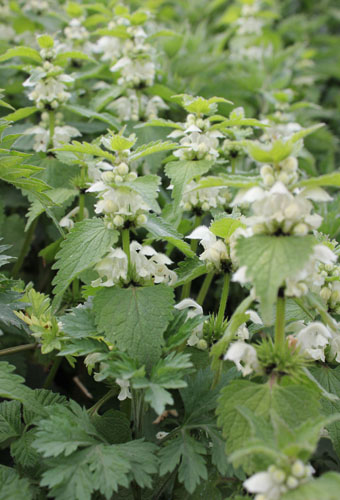
White deadnettle, Lamium album. Another ‘nettle’ that is not actually a nettle but a member of the mint family. Like the red deadnettle it bears no sting. Photo: Stephen Middleton WT
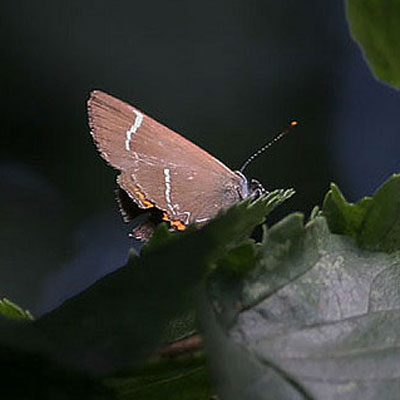
White-letter Hairstreak, Satyrium w-album. Flying high in the treetops, it gets its name from the “W” formed from a series of white lines on the underside of the hindwings. Best seen in early morning or late afternoon, when they come down to nectar on various flowers, Thistle, Bramble and Privet being favourites. They never settle with their wings open.
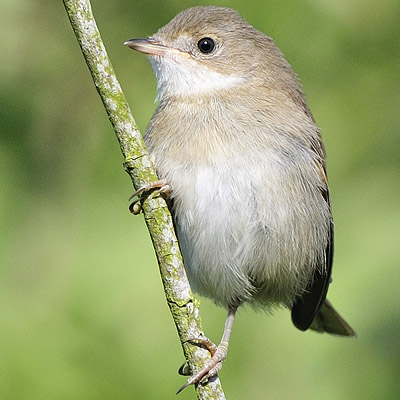
Whitethroat, Sylvia communis. The whitethroat is a medium-sized warbler, about the size of a great tit. It has quite a long tail which it flicks and cocks as it darts rapidly in and out of cover. The male has a grey head, a white throat and a brown back, and is buff underneath. It is a summer visitor and passage […]
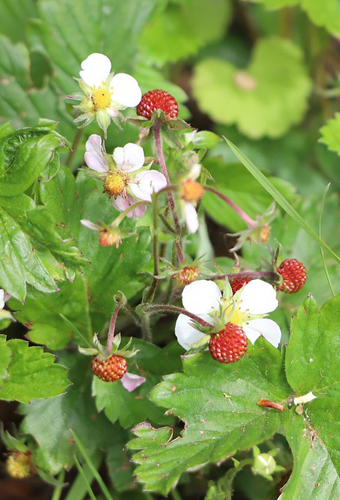
Wild strawberry, Fragaria vesca. The Wild Strawberry is not actually the ancestor of commercial strawberries but it does have an excellent flavour. Its white flowers appear from April to July and the small but very tasty fruits follow soon after. WT
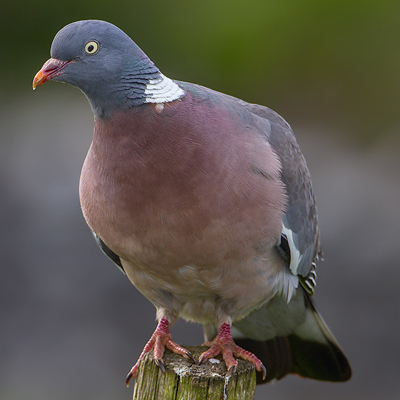
Woodpigeon, Columba palumbus. The UK’s largest and commonest pigeon, it is largely grey with a white neck patch and white wing patches, clearly visible in flight. Although shy in the countryside it can be tame and approachable in towns and cities. Its cooing call is a familiar sound in woodlands as is the loud clatter of its wings when it flies […]
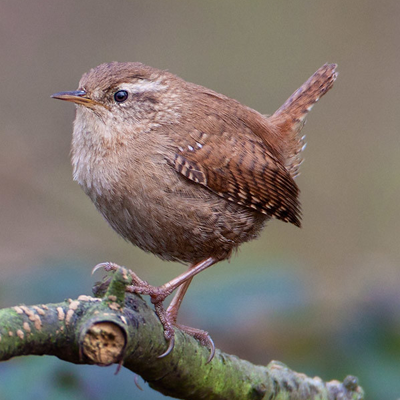
Wren, Troglodytes troglodytes. The wren is a tiny brown bird, although it is heavier, less slim, than the even smaller goldcrest. It is dumpy, almost rounded, with a fine bill, quite long legs and toes, very short round wings and a short, narrow tail which is sometimes cocked up vertically. For such a small bird it has a remarkably loud voice. […]
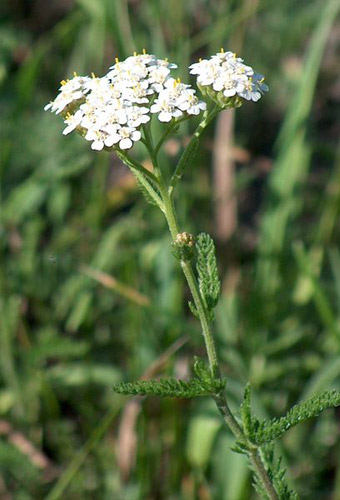
Yarrow, Achillea millefolium. A list of alternative names reflect its uses in herbal medical treatments and early brewing techniques. The genus name is derived from the Greek character, Achilles, who reportedly carried it with his army to treat battle wounds. Names include Field hops, Knight’s milefoil, Nosebleed, Old man’s pepper, Soldier’s Woundwort, and Sanguinary.
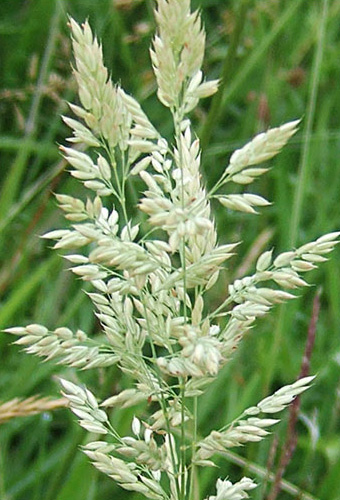
Yorkshire fog, Holcus lanatus. Yorkshire fog is a grass with velvety grey-green leaves and round shoots. The base of the shoots are white with pink stripes or veins – these are used in identification and are known by certain ecologists as ‘stripey pyjamas’. It’s a popular food source with Speckled Wood, Small Skipper and Wall butterflies. Photo: www.ukwildflowers.com